Most of us know the feeling of a muscle that just seems tight. It might be your calves after a long walk, your hamstrings after sitting for hours, or your shoulders and neck after a busy week at work.
The natural reaction is often to stretch it.
Sometimes that feels great and can certainly help. But a feeling of tightness does not always mean that a muscle is physically too short or that stretching is necessarily the best answer.
Understanding why a muscle feels tight can be much more useful than simply stretching it again and again.
Why do muscles feel tight?
Muscles can feel tight for lots of different reasons.
You may have done more activity than usual, started a new form of exercise or simply spent longer than normal walking, gardening or doing jobs around the house. Equally, sitting at a desk or driving for long periods can leave certain areas feeling stiff and uncomfortable.
Sometimes the body can also respond to tiredness, stress or an unfamiliar movement by creating a feeling of tension or stiffness.
The important point is that the sensation of tightness does not necessarily mean there is anything damaged or that the muscle needs to be stretched longer.
When can stretching help?
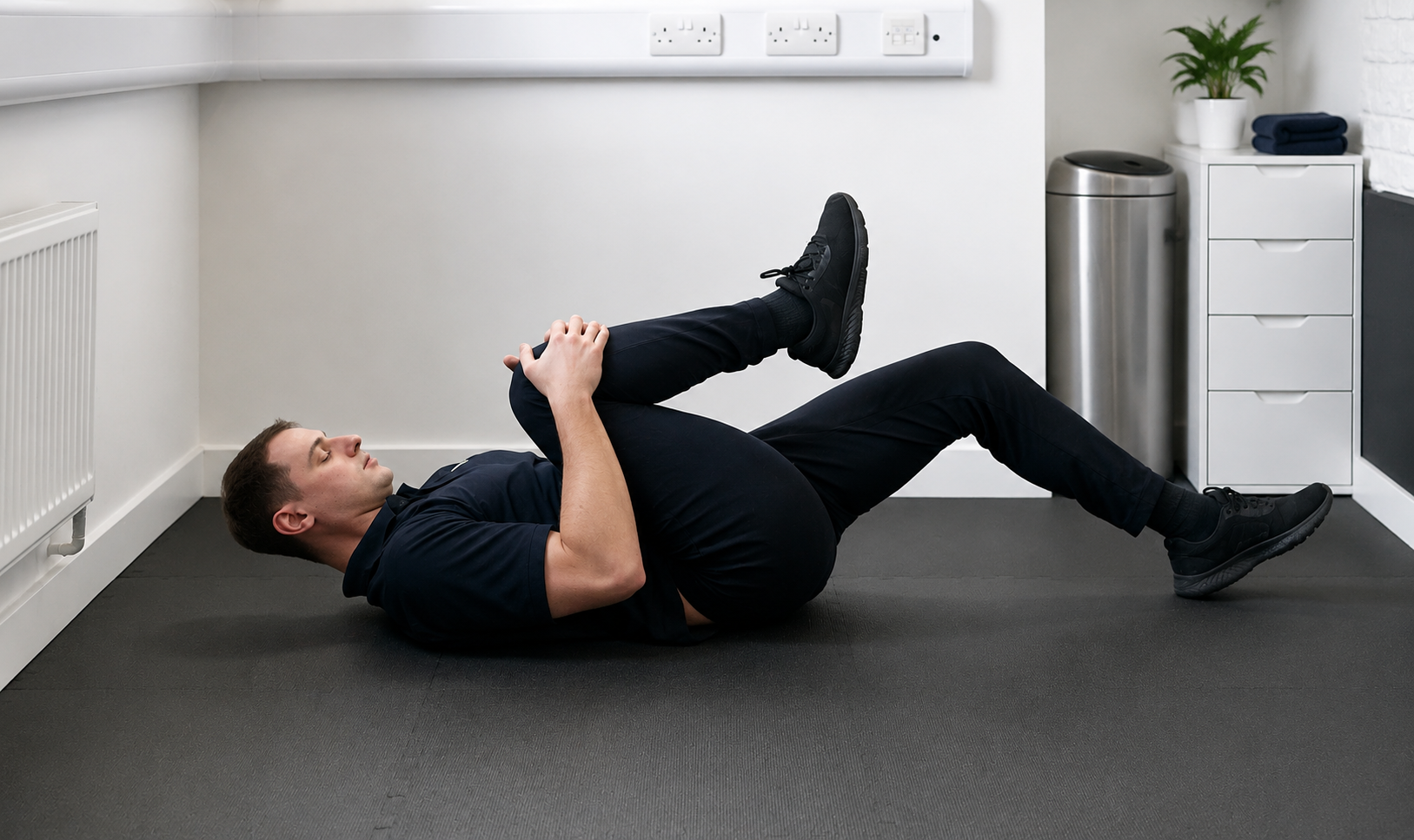
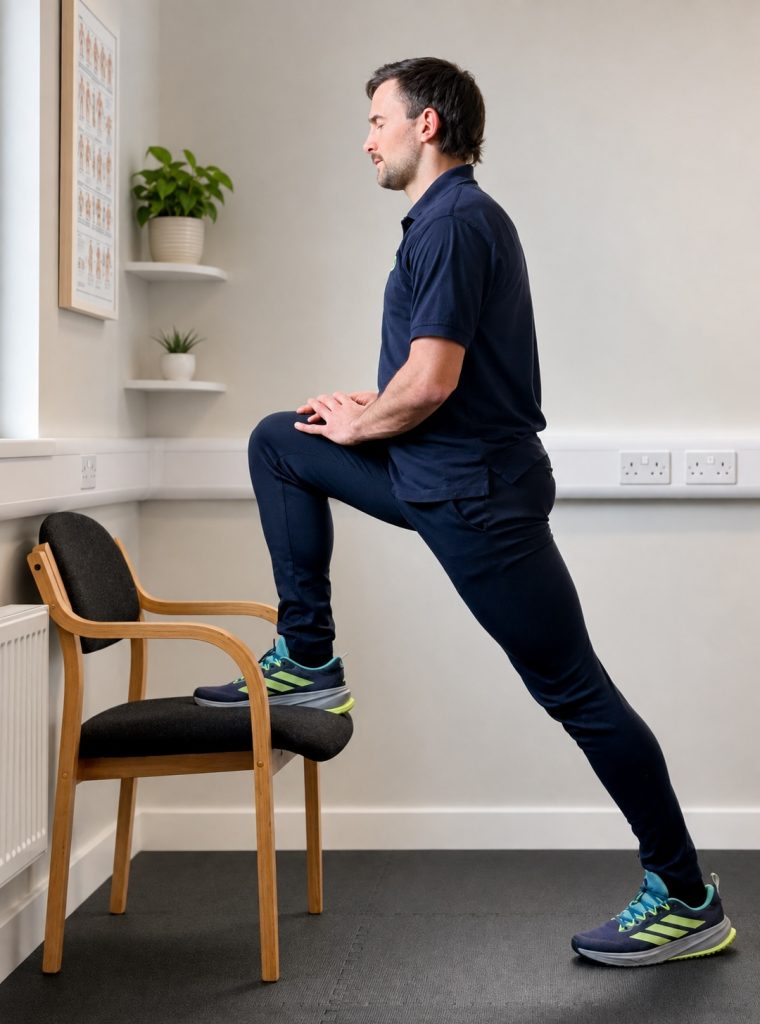
Stretching can be useful when it feels comfortable and helps you move more freely.
For example, after spending a long time sitting, getting up, moving around and gently stretching can feel very relieving. It can also be a useful part of a warm-up, cool-down or general mobility routine.
The key word is gently.
You should not need to force a stretch or push into significant discomfort to get a benefit.
If stretching makes an area feel better and that improvement lasts, there is usually no problem with continuing to use it as part of your routine.
But if you find yourself stretching the same area several times a day and the tightness keeps returning, it may be worth looking at what else could be contributing.
Sometimes strength is more useful than stretching
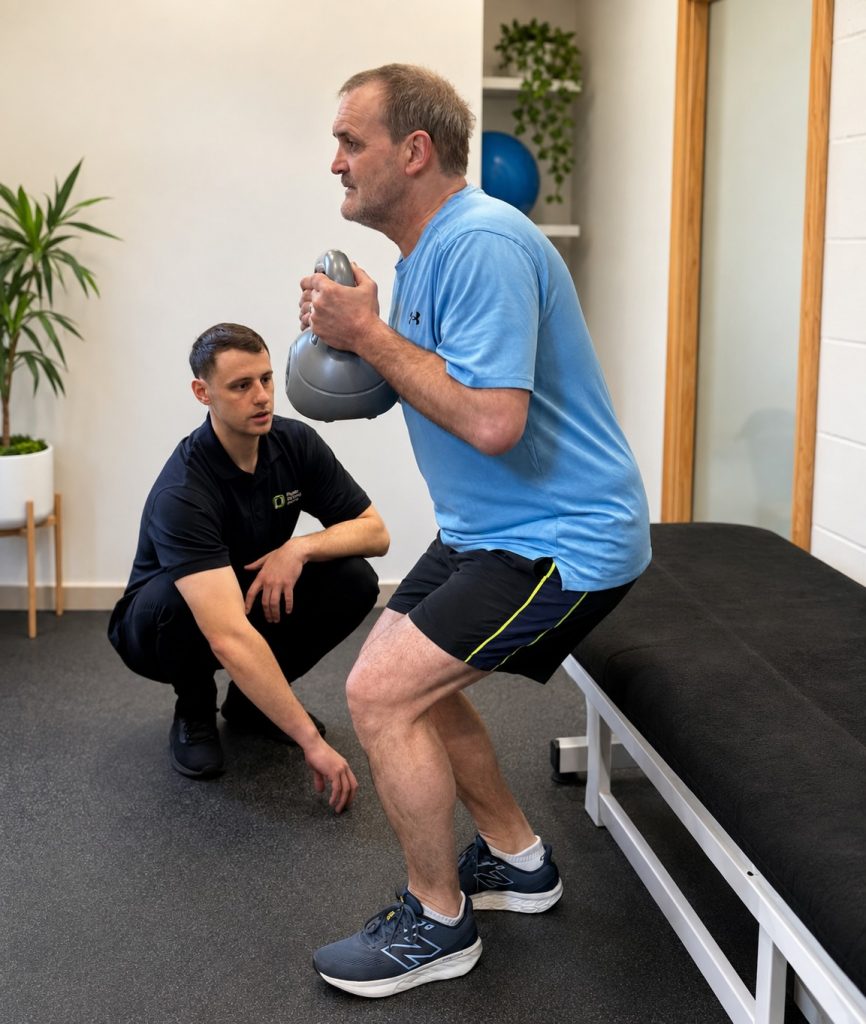
It might sound strange, but a muscle that feels tight can sometimes benefit from being made stronger rather than being stretched more.
If a particular muscle is working harder than it is used to, it may become tired and start to feel tense or stiff. Gradually improving its strength and capacity can help it cope better with the demands being placed on it.
This is particularly common when someone has recently increased their walking, returned to the gym, started running again or taken up a new activity.
Rather than continually trying to loosen the muscle, the better approach may be to gradually help it become more capable of doing the job you are asking of it.
Movement can be more helpful than holding a stretch
Our bodies generally like movement.
If you have been sitting in the same position for a couple of hours, your back, hips or shoulders may feel stiff when you first get up. That does not necessarily mean those muscles need a long stretching routine.
Often, simply walking around, changing position and moving the affected area can make a big difference.
This is why regular movement breaks during the working day can be so useful, particularly for people who spend a lot of time at a computer or behind the wheel.
What about massage?
Hands-on treatment such as Sports Massage can also be helpful when muscles feel tight, tired or overworked.
Massage can be a useful way of easing muscle tension and helping an area feel more comfortable, particularly after increased activity or when certain muscles have been working particularly hard.
It can also be an opportunity to identify areas that may need a little more attention and discuss whether changes to exercise, strength or movement might help prevent the same problem from repeatedly returning.
At The Physio Therapy Centre, our Sports Therapist Chris Dumbrell offers Sports Massage alongside Sports Therapy and rehabilitation.
What if the tightness keeps coming back?
Occasional muscle tightness is extremely common.
But if the same area repeatedly becomes tight, uncomfortable or painful, particularly if it starts limiting what you can do, it may be worth having it assessed.
Rather than simply treating the sensation of tightness, a Sports Therapist or Physiotherapist can look at how you are moving, what activities you are doing and whether factors such as strength, mobility or workload may be contributing.
That can help determine whether stretching is useful — or whether a different approach would be more appropriate.
So, should I stretch a tight muscle?
If stretching feels good and helps, then by all means include it.
But don’t assume that every feeling of tightness means you need to stretch more.
Sometimes your body may simply need more movement. Sometimes it may need rest and recovery. Sometimes it may need to become stronger. And sometimes some hands-on treatment and individual advice can help.
If you have an area that constantly feels tight and you’re not sure why, our team at The Physio Therapy Centre in Haywards Heath can help you work out what may be contributing and what to do about it.
Give our reception team a call on 01444 450162 if you would like to chat this through with a Therapist.